Skip to content

World map

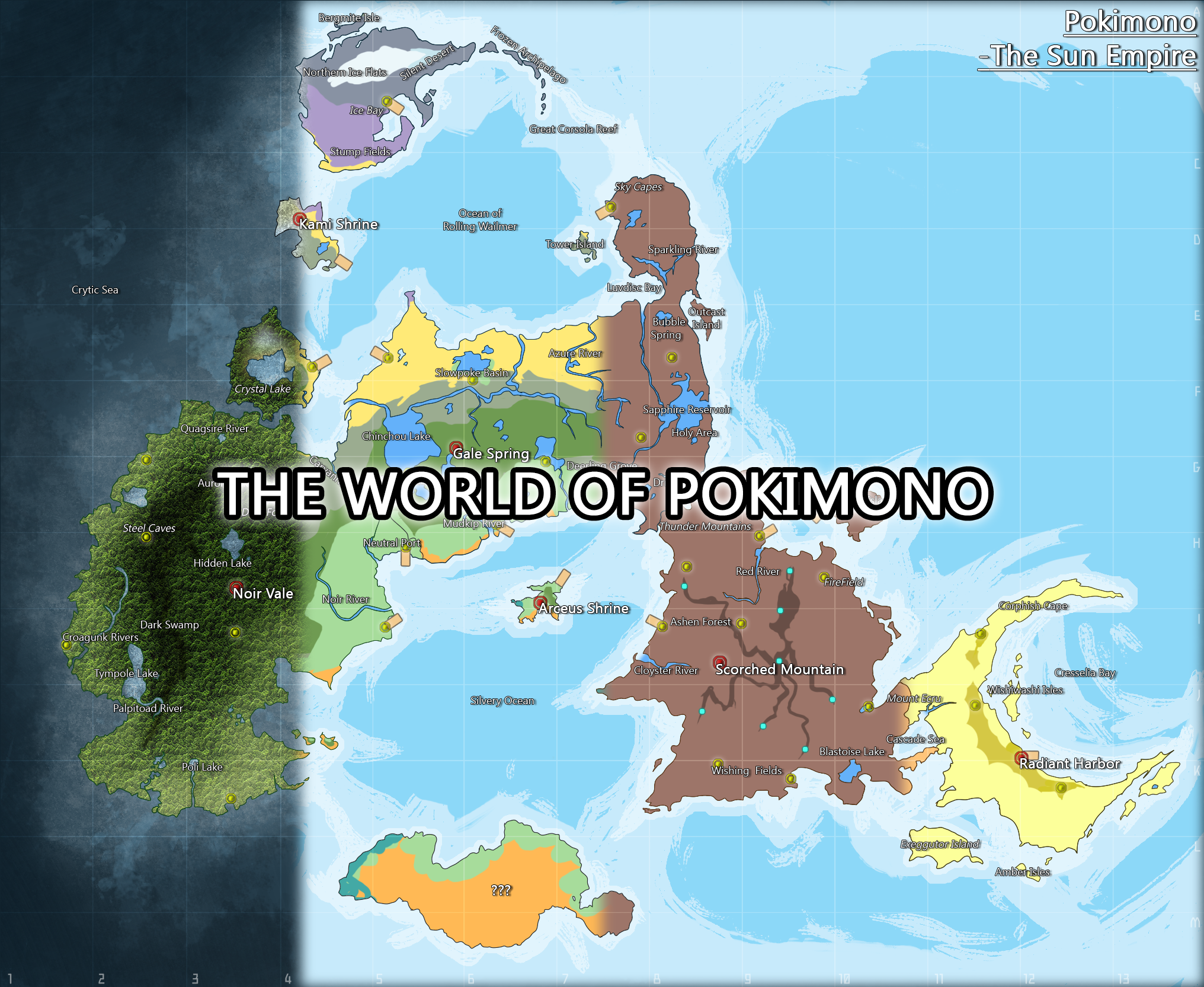
Pick one of five map sheets, then turn on marked routes for political, climate, terrain, or tunnels when you want paths drawn on the sheet. With a mouse, hover the map to magnify toward the cursor.

Pokimono world map — Overview. Full realm at a glance — regions, coasts, and the lands between.

OverviewFull realm at a glance — regions, coasts, and the lands between.

Applications

General jobs

These roles exist in every village. Scroll to each region for unique jobs tied to local culture and economy — pick work that fits where your character lives.

On Discord, each character can use /job work once per day (one successful shift per Eastern calendar day; the counter resets at midnight Eastern). Run it in your OC's home village bot channel — the Roleplay text channel on the Pokimono server that matches their home region (not every channel in that category). Exact names and steps on Mechanics → Jobs → Village work).

Each shift rolls Gathering, Combat, Crafting, or Culture for most jobs — the same job can feel like a different kind of workday from shift to shift, and mon, items, reputation, and mechanical side effects (HP, status, and similar) follow that roll. Workshop materials in your shared bag keep Crafting in that random pool when your job can craft a matching recipe; they do not lock the shift to Crafting. Leader, Guardian, and Sentinel always take a Culture shift.

You can stop at the bot line or spin a short in-character follow-up from it if you like — never required. See Job mechanics → Optional roleplay after a shift.

Village berry farms on Discord use /berryfarm tend; whichever OC tends adds a small bonus on rolls that match their job and earns a little reputation for that OC. Read how on Berry farming.

Open everywhere

Worker

Type
Regular

Broad catch-all for roles that do not fall under the other listed jobs — everyday labor and craft: builders, shopkeepers, housekeepers, servants, clerks, and similar steady work that keeps village life running.

Farmer

Type
Regular

Tending fields and rice paddies — rigorous work with little rest through the seasons, feeding the region and supporting brewers and markets.

Artisan

Type
Regular

Pots, cloth, jewelry, lacquer, dye, and small repairs — workshop trades that fill markets and outfit homes and shrines, plus banners, mask carving, and painted detail when a job calls for it.

Sun Empire

Scorched Mountain

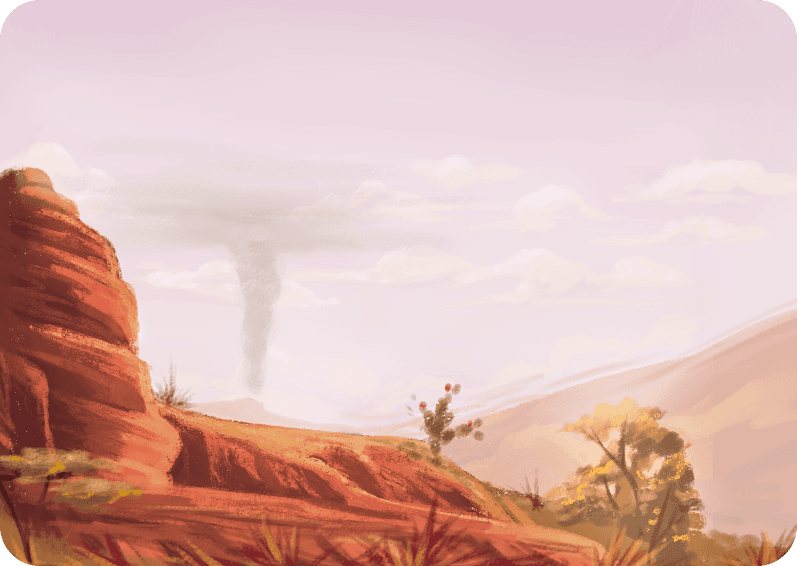
Only the very brave dare to live in this region, with its extreme temperatures and rocky terrain. The rusty-red plains surrounding the mountain are a popular spot for artists and, despite the heat, are also well known for having very fertile farming land. The mountain, on the other hand, is rough and unforgiving, and thunderstorms often strike without warning.

Unique jobs here

Explorer

Type
Unique

Mapmakers and pathfinders who brave harsh terrain, report on unknown places, and serve as scouts and guides thanks to deep knowledge of the land.

Samurai

Type
Unique

Household sword-bearers who keep bushidō and guard the village; masterless rōnin between lords; and pragmatic pursuers sent after fugitives and difficult captives when charters and contracts call for steel — the backbone of local order and defense.

Martial Artist

Type
Unique

Dojo regulars, tournament fighters, and adepts who polish forms, striking, and grappling as their main path — discipline through practice and matches, often teaching or competing more than standing household watch.

Sake Brewer

Type
Unique

Partners with farmers for rice and craft fine sake sold across Pokimono — ceremony, trade, and tavern culture all depend on them.

Animal Breeder

Type
Unique

Keeps herds healthy for milk, wool, labor, and meat — vital to both diet and the wider economy.

Hunter

Type
Unique

Tracks and brings down game to sell or eat — quick, quiet, and precise enough to face dangerous beasts.

General

  • Scorched Mountain CastleA historical site mainly used to host political gatherings and conferences. Several archives and antique collections, as well as a specialized war room.
  • BukanSamurai, rōnin, and martial artists.
  • Ezu-yaExplorers and hunters.
  • Ōmon
  • Wishing FieldsA quiet rise where travelers leave folded wishes; folk tales say Jirachi still passes overhead on the clearest nights.

Labor

  • TanadaSeveral irrigated rice fields scattered across Scorched Mountain. Farmers stock the rice paddies with common Magikarp, which eat insects that would normally threaten the crop, allowing the rice to flourish.
  • ChikubaFrom the flat plains to the jagged mountainside—these farms produce top-tier livestock. Some have branched into the pet trade, breeding exotic morphs of domestic animals.
  • Sakagura-machiSpecial houses where sake, both new and old, is brewed by masters of the art—whether an old recipe for a ceremonial bottle or a never-before-tasted flavor.

Entertainment

  • RyokanFamily-owned inns popular for exceptional service and friendly staff. Volcanic activity is common, so nearly every inn has an onsen where guests can relax in a naturally hot bath.
  • Ōshibai-zaA large indoor theater for elaborate paid performances. Many aspiring singers and actors made their debut on this stage.
  • DohyōbaA large arena originally built for large-scale sumo tournaments. Nowadays it hosts other sporting events and occasionally artistic performances.
  • YosebaSmall stages surrounded by shops and restaurants—street performers can earn coin from shoppers and diners.

Market & Trade

  • Shokunin-machiA back-alley marketplace for handcrafted goods and artwork at fair prices—from hobbyists to artists still hoping for their big break.
  • Takumi-chōHigher-end shops for jewelry, carpentry, tapestry, and original pieces by esteemed artists—often one of a kind, and priced accordingly.
  • Yakiya-yokochoSpecialized izakaya open late, serving grilled meats and sake. Sake brewers can sell to these restaurants or open bars featuring their brews.

Sun Empire

Noir Vale

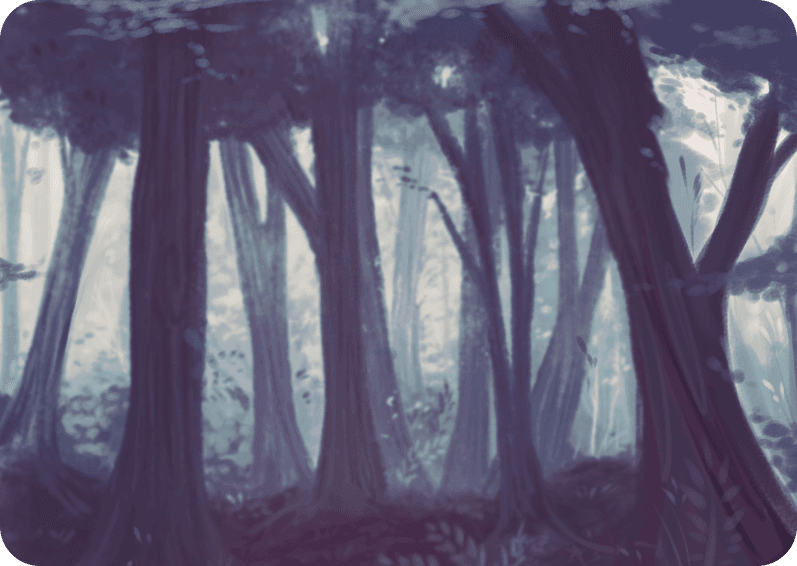
This secret village is dark and shrouded in mystery. A dense forest surrounds the crystal-studded caverns that the villagers call home, and a river runs through the center of the village. Some say that the only way to find the way out of the maze of caves is to follow the river out to the forest, but more experienced—and sneaky—villagers know plenty of hidden caves and tunnels that lead in and around the region.

Unique jobs here

Hunter

Type
Unique

Tracks and brings down game to sell or eat — quick, quiet, and precise enough to face dangerous beasts.

Ninja

Type
Unique

Covert operatives for dirty work the public would rather not acknowledge — fast, merciless, and often distrusted.

Potions Master

Type
Unique

Brewers of powerful concoctions — not healers. Their wares skew dangerous or illicit and often drift toward the black market.

Blacksmith

Type
Unique

Forges weapons, armor, and tools from metal and wood — essential to miners, hunters, and anyone who needs steel they can trust.

Treasure Hunter

Type
Unique

Seeks unclaimed riches, especially gems deep in the tunnels — methods are not always legal.

Miners

Type
Unique

Steady tunnel work alongside treasure hunters — less glamour, more grit: ore, minerals, and safe passages through the maze below.

General

  • Aurora LakeOften obscured by mist, a small but elegant shrine is perched on an island at its center. Fresh rope and bell water on the jetty show the crossing is still tended, even when no boat is moored there.
  • Hidden Lake ManorAt the edge of the Hidden Lake, a stately manor tied to the lakeside shrine: galleries and private rooms step down toward the water, with piers and screened porches opening into the shallows.
  • ŌanaA cooperative effort of mortals and nature—some naturally hollow chambers, various thoroughfares and rough-hewn residences carved into the winding tunnels. Entrances are sprawled throughout the region.
  • Shin'anaA much more treacherous area of the underground, lined with sharp and toxic crystallized forms and home to glowing pools of water, hidden ponds and lakes. Petrified trees are often seen near cave entrances.
  • The Blind BatOriginally built as a performance hall, the building stopped hosting singers and actors long ago and was set for demolition. Not wanting this piece of Noir Vale’s history torn down, the Treasure Hunters guild appealed to repurpose it into their own conference space. It is managed by the local government, with all job types represented and even temporarily housed in its walls. The building is open 24 hours, with a clerk always at the ready. The quest board for the entire area is posted behind the front desk and updated during the slow morning shift.

Labor

  • Yakuzaishi DenA collaborative space for the potion masters in the region; the apothecaries and chemists of Noir Vale tend to be a little more unnecessarily creative with their creations than the medical experts of Gale Spring.
  • The Takara MinesAn intricate tunnel system rooted in the Steel Caves. Miners dig at the walls and extend the tunnels in hopes of finding coal, ore, and rare gemstones. Most sell the materials raw, but ambitious miners have been known to craft them into tools or jewelry for an even greater profit.
  • The Zatsuyou HouseA good rest stop for travelers who don’t yet have a place to stay for the night. If you are in need of help, the right ear is sure to catch wind of it if you’re nearby. Of course, the shadows in town have ears and eyes everywhere—this is just the easiest place to get the right hands on the job.

Entertainment

  • Hanafuda Card DenOne of the most populated gambling centers. Many fortunes started and ended here, and the illicit help that the managers employ under the table make sure no debt goes unpaid.
  • The Kanpai Drink HouseThis hangout stays stocked with sake and flavors from across the kingdom—keep a wary eye out for any potion brewers looking for volunteers.

Market & Trade

  • The Hougyoku ExchangeAn open area where buildings were planned but never developed, allowing residents to fill it with their own shops. Rich in local culture—stall vendors, portable storefronts, imports, food, and traveling merchants. While not officially recognized, it’s become a very important, historical part of Noir Vale.
  • The Fire AislesOne of the warmest places in the region save for a few hidden hot springs. Ceramic goods and metallurgy, small forges, kilns, and storefronts.

Sun Empire

Gale Spring

Far in the north, this large region has a very diverse climate. The northernmost part of this region is perpetually covered in snow, while the southernmost part, which borders the ocean, is a much warmer, pleasant temperature. This region is rich in lumber, fishing, unexplored terrain and, most famously, shrines. Be careful, though—even on the peaceful coast, violent storms have been known to pop up every now and again.

Unique jobs here

Fisherman

Type
Unique

Harvest from rivers and sea: fish, shellfish, crabs, and more — a coastal and river trade staple.

Priest

Type
Unique

Keeps sacred places, leads prayer, and confronts malign spirits — faith made practice in a land of shrines.

Healer

Type
Unique

Treats wounds and illness and prepares wholesome potions and herbal cures — the compassionate counterpart to Noir Vale’s darker brewers.

SōheiWarrior monk

Type
Unique

Temple fighters devoted to Arceus — fierce, solitary, and answering only to the highest priests.

Scholar

Type
Unique

Researchers and teachers the villages consult for hard questions — younger characters still in training count as apprentice scholars.

Courier

Type
Unique

Delivers medicine, coin, parcels, and messages others are too busy to carry — fast feet and a streetwise memory for routes.

General

  • The Gale Spring TempleThe largest, most decorated temple located across Chinchou Lake. The area is always open to the public; private ceremonies such as weddings or funerals are occasionally held here for highly esteemed families. The bridge that crosses the lake is considered very lucky, and young couples are frequently spotted walking over it together to bless themselves.
  • Monjo-kuraBuilt shortly after the Gale Spring Temple, the archives rest behind it at the edge of the courtyard. All of Gale Spring’s history is documented here, and scholars spend most of their time adding and organizing documents.
  • Mizuumi-deraA temple complex situated half on the lake, half on the land. In the coldest months, a thin skin of ice gathers near the shore—locals read it as a calm omen for the year ahead.
  • Slowpoke Basin islesA small cluster of islands just off the coast—mostly wind-scoured rock and gulls, with a modest shrine where sailors leave offerings for fair weather and safe returns.
  • Chinchou Lake overlookA favored rise above the lanterns of Chinchou Lake where Latias is often glimpsed at dusk; couples picnic here hoping for a lucky wingbeat overhead.

Labor

  • Hanaguzuri ApothecaryA new building near Koi River where healers can craft medicine and discover new cures. Situated on the border of Noir Vale, researchers have easy access to exotic plants not native to the area for their experiments.
  • Kusuri-ya machiWith one in each town and major hospitals in more densely populated areas, Gale Spring’s abundance of medical practitioners ensures that residents are always kept in good health.

Entertainment

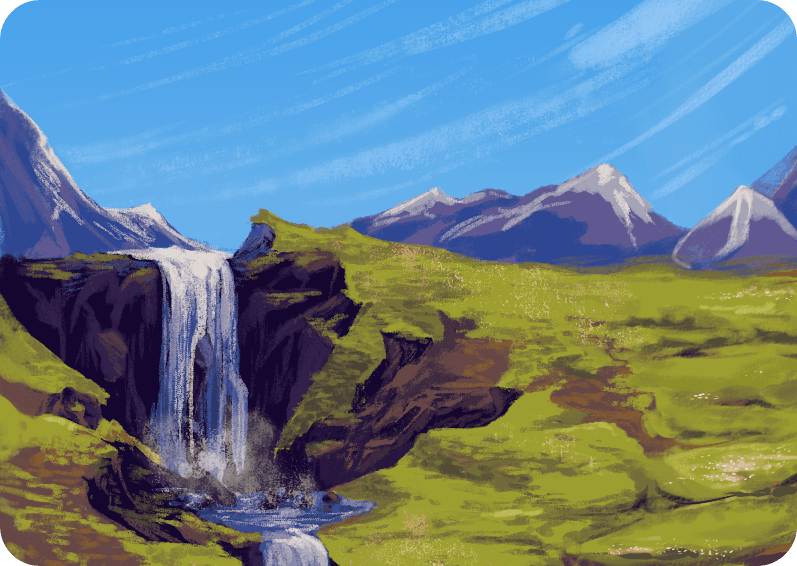
  • Evergrande FallsA large set of waterfalls that can be heard roaring from miles away. On sunny days, the mist rising from the basin reflects rainbows over the surrounding area.
  • Chinchou LakeThe main lake in Gale Spring. It’s home to a dense population of Chinchou, which light up the water at night in a beautiful bioluminescent display. Many gather at the water’s edge to spectate, and it’s a popular place to host festivals.
  • YunoyadoAbundant mostly within Sky Cape and the Frozen Archipelago—they’re a great place to warm up after a long day out in the snow. They aren’t as popular with native Ice types as they are with travelers and migrants.

Market & Trade

  • Koi RiverA river that, over the years, has come to contain a variety of carefully bred koi. Most of the fancy fish in the pet trade come from here—specially bred Goldeen, Magikarp, Finneon, and Basculin.
  • Uo-ikeSeveral small, individually owned manmade ponds where live fish are bought and sold as food.
  • Minato-chōThe main port where fishing boats dock to count and collect their harvest. It is busiest in the mornings, when fish are easiest to catch.
  • Whirlpool BazaarA large general market with many stalls selling locally sourced herbs and food.

Sun Empire

Radiant Harbor

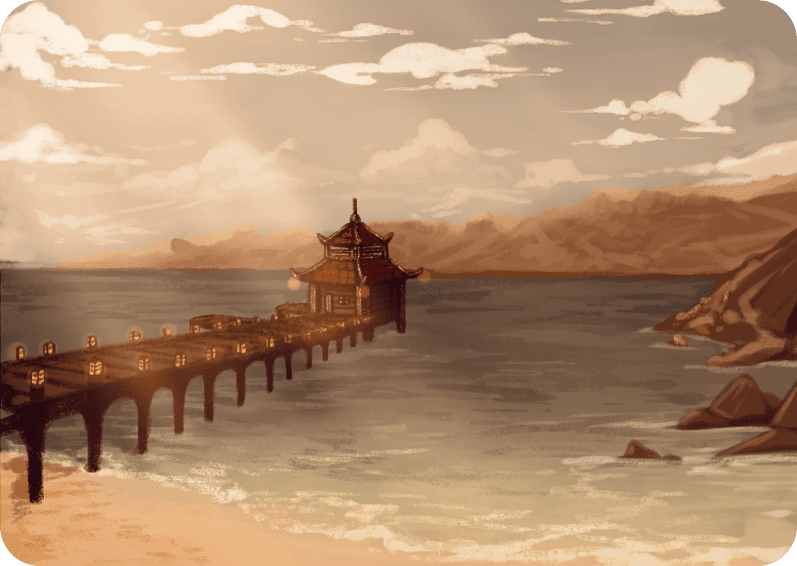
This sprawling merchant city is located at the southernmost coast of the Sun Empire. Settled between the natural harbor to the east and impassable mountains to the west, Radiant Harbor is a sailor’s paradise. It is a hot spot for traders from the Jade Imperium, Soul Kingdom, Bronze Coast, and Azure Islands, and as such it sees every kind of person in its streets. Whether stopping through on a sea voyage or keeping a permanent home among the walled mansions of the city’s elite, some inhabitants are unlike any seen before in the rest of the Sun Empire—a whole new generation of colorful Pokémon gijinka. Together they make Radiant Harbor a lavish and luxurious place to behold.

Leader of Radiant Harbor

Unique jobs here

Scholar

Type
Unique

Researchers and teachers the villages consult for hard questions — younger characters still in training count as apprentice scholars.

Courier

Type
Unique

Delivers medicine, coin, parcels, and messages others are too busy to carry — fast feet and a streetwise memory for routes.

Sea Merchant

Type
Unique

Captains and traders who sail to distant realms — sharp at both rigging and ledger, and full of news from abroad.

Entertainer

Type
Unique

Song, dance, tea, and salon conversation — kabuki halls to private tea rooms. Any gender (courtesan, tayū, taikomochi, or geisha traditions). Stage-first, or work where red lanterns mean discretion pays.

Diviner

Type
Unique

Private seers tied to stars, spirits, or patron powers — fortune-telling, cleansing, invocation, and other rites at the edge of common faith.

Pearl Diver

Type
Unique

Descends to hidden coves for pearls and salvage — risky water and sharp rock, but the haul can change a life.

General

  • Celestial PalaceBuilt long before Radiant Harbor could call itself a city, this extravagant castle anchors the city’s formal ceremonies and archives. The castle opens for special events so citizens and tourists can admire this piece of history.
  • Heavenly ObservatoryA gathering place for astronomers and astrologists, with a collection of rare and otherworldly antiquities believed to have fallen from the cosmos.
  • Ecliptic EmbassyA government-subsidized building for legal affairs with sea merchants, couriers, and pearl divers—and a general hangout for meals. The quest board for the area is found here.
  • Ryū-anA small building that once served as a gathering hall for Dragon types; it still draws those who want quiet counsel away from the harbor crowds.

Labor

  • Luminous VillaAn older yet high-end, quiet district with many shrines maintained by locals. Believed to have high spiritual energy—popular with mediums and diviners.
  • Resplendent CoveA rural area overlooking the bay, famous for specialty sushi. Restaurants use freshly caught fish and locally farmed produce. Sunken treasure and oysters on the seabed attract divers; legend speaks of a sunken shrine nobody has reached.

Entertainment

  • Yūya-gaiOnsen-style spas known for beauty treatments and massage—often one per district.
  • Lunar PagodaA large building at the edge of Astral Plaza hosting personalized entertainment; high standards mean performances are often priced for the wealthy elite.
  • Solar PagodaAn older tiered building of boutiques, restaurants, and a small theater. The top floor has a nearly 360° view of the skyline and is often booked for public events.
  • Akasen-chōMarked end to end with red lanterns when night falls. An adults-only zone with brothels, black-market dealers, gambling houses, and restaurants for pleasure-seekers; by day, only a handful of conventional businesses keep regular hours.

Market & Trade

  • Astral PlazaA shopping center between middle- and high-income districts—imported tea, wagashi, designer kimono, and luxuries at steep prices.
  • Lustrous PiersMain ports for merchant ships. All imported goods pass through here—and it’s a hotspot for back-door deals on stolen or illegal items.
  • Hirokō-ichiAn open, adaptive market mixing cultures: street food, clothing, novelties, and antiques. Independent sea merchants offload here for exotic materials at more reasonable prices.

Isles & shores

Neutral Lands

Islands and shores outside the major regions—places of pilgrimage, exile, and whispers on the charts.

Arceus Island

  • Arceus's ShrineThe sacred location tied to Arceus.

Kami Island

  • Kami ShrineWhere the Kami Shrine stands; it was destroyed during the war but has since been rebuilt.

Kinko-jima

  • Rōya-muraA prison island where criminals are sent.

??? Island

  • MeishūNo reliable maps—only rumor, old sea-charts, and deliberate silence.