


Other lands
Foreign realms
Play takes place in the Sun Empire, but a character's history may say they were born or raised abroad. If they are from another land, it does have to be one of the nations listed below — not a custom empire, country, or region. See Villages for where they live now.
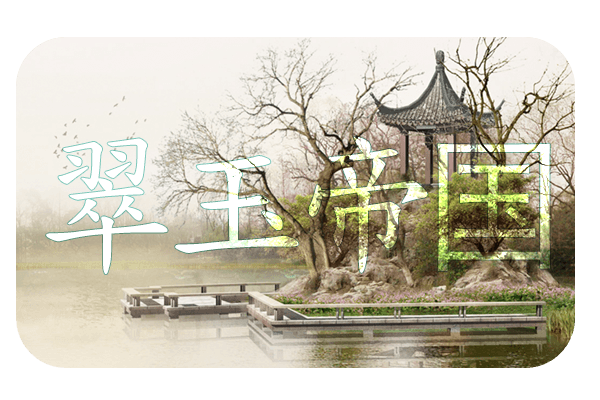
Jade Imperium
Loosely echoes Ancient China in our storytellers' hands.
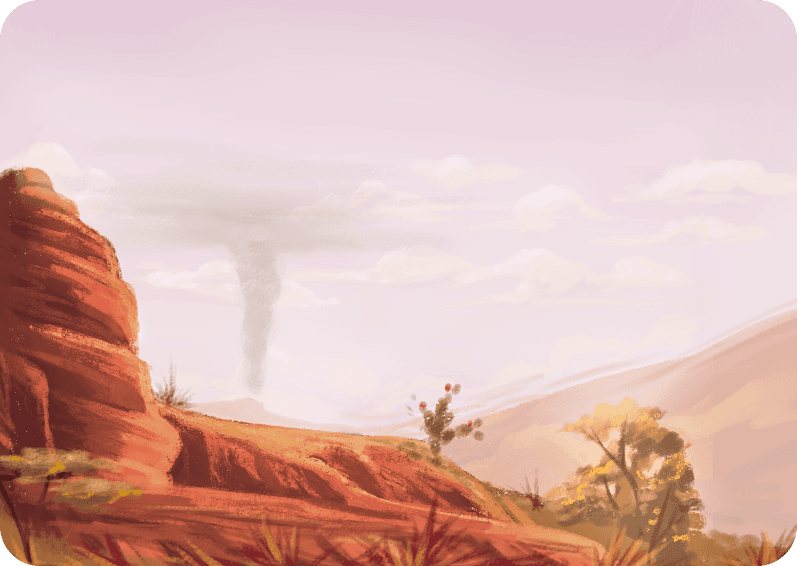
The Jade Imperium boasts one of the longest and richest histories of any kingdom in the world. This vast country—filled with mountains and valleys and plains and forests larger than one can imagine and everything else in-between—has been ruled by the same Imperial Family for thousands of years. Their history has been marked by both periods of golden prosperity and peace and ruthless expansion and warfare. However they might be perceived by their neighboring countries, the Jade Imperium is ever a proud, ancient kingdom.
The Jade Imperium was ruled almost completely uninterrupted by a line of incredibly powerful Emperors and Empresses for most of its history. These Pseudo-Legendaries were generally strong, wise rulers. But of course, given such a long history, their rule was often incredibly varied—the Imperium has seen its share of both benevolent and mad Emperors over time. Given the huge size of their kingdom, often trusted magistrates or lesser members of the royal family were given to rule over smaller provinces, cities, and much smaller villages. This allowed for more efficient placement of laws and government, though all answered to the near-legendary Emperors and Empresses.
The main city of the Imperium, huge and sprawling and filled with every kind of work and craft imaginable, was the Divine Capital. It was situated almost directly in the middle of the country, and was home to the Jade Palace, the Emperor's ancestral seat of power.
The Emperors and Empresses of the Imperium were all, almost without exception, faithful followers of Arceus and the Divine Trio of Space, Time, and Dimension. However, in a few provinces, some Legendaries were worshiped as deities and protectors of certain aspects of life. Still others hold the Emperor's line of Pseudo-Legendaries as divine, and pay all of their respects to them.
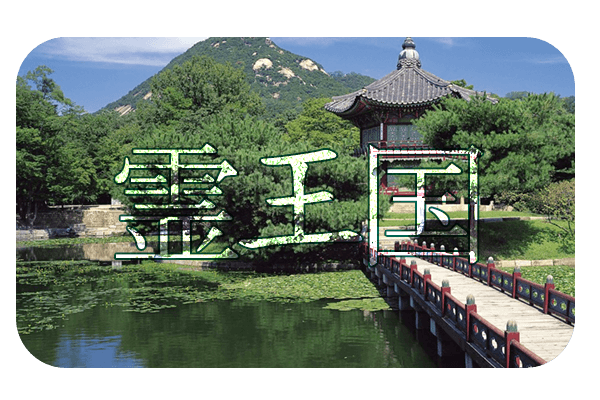
Soul Kingdom
Loosely echoes Ancient Korea in our storytellers' hands.
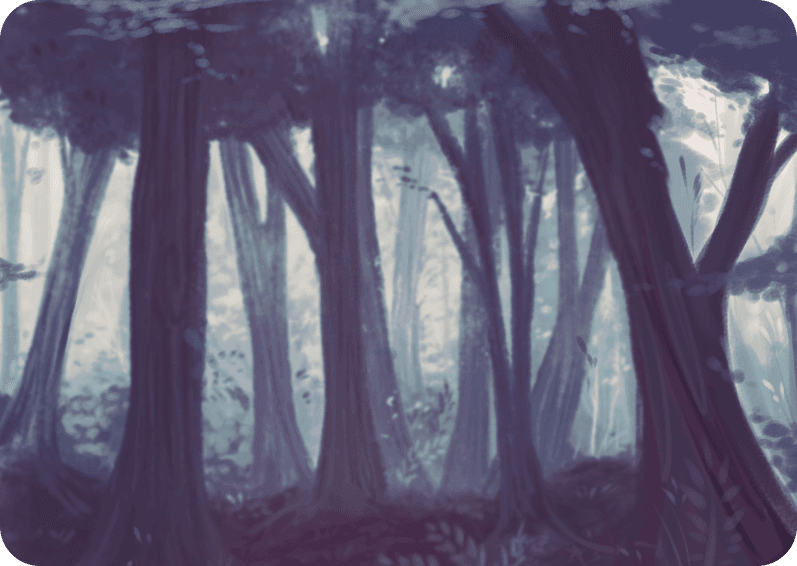
The Soul Kingdom, while much smaller than the enormous Jade Imperium, has just as long and rich a history. For much of its recent history, it has been divided into three very distinct regions, each one ruled by a King or Queen in their own right. While these monarchs have not always gotten along—sometimes starting wars with one another for territory—they mostly work together to keep the peace and stability of the whole Soul Kingdom intact.
Owing to its smaller size but bountiful resources, the Soul Kingdom has experienced much aggression from its neighboring countries throughout its history. This has made for a strongly united country, highly dedicated to creating a kingdom of cultural and spiritual prosperity. This is why, though divided into separate regions ruled by three different monarchs who occasionally compete for power, the country is strongly united into a single whole.
Traditionally, the three kingdoms have been commonly called the Mind Kingdom, the Shadow Kingdom, and the Strong Kingdom, ruled by a family of incredibly strong Psychic, Dark, and Fighting leaders, respectively. All together, these three make up the components of the Soul. The leaders and people of the Mind Kingdom have always been scholars of the highest caliber, more well-versed in history and literature and politics than both of the other kingdoms combined. The same can be said of the Shadow Kingdom's artisans, who are the finest and most prosperous in all the land. Finally, the Strong Kingdom produces the most disciplined and skilled soldiers and fighters of the three regions. Often times, the regions will engage in a trading of their people and resources, in order to keep the entire Kingdom balanced.
For most of its history, the Soul Kingdom has worshipped the Legendaries as spiritual representations of nature and life. This has made for an incredibly diverse spiritual experience across the regions, with some regions prioritizing the worship of some Legendaries above others. Shamans are the priests and priestesses dedicated to the leading of ceremonial worship, and can be found everywhere from the High Shaman in each region's royal palace to the humblest of village shamans throughout the Kingdom.
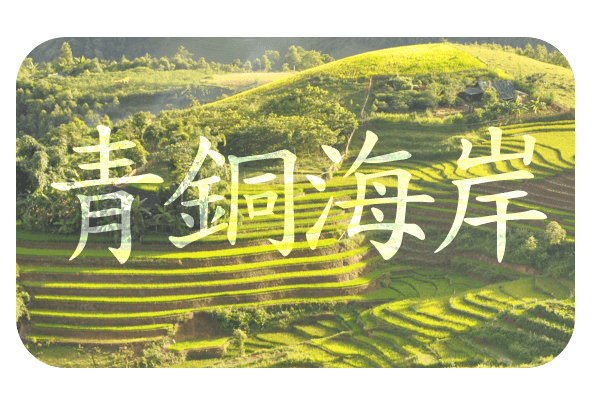
Bronze Coast
Loosely echoes Ancient Vietnam in our storytellers' hands.
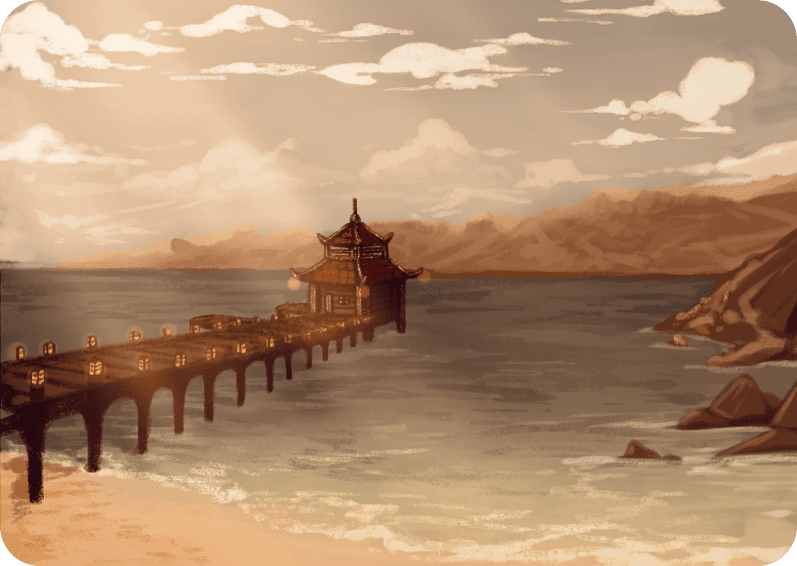
A small but plentiful country, the Bronze Coast, much as its name suggests, is a long rather than wide country that rests upon the sea. Like the Soul Kingdom, it is run by a monarchy, though its dynasties have been shorter lived than the long, seemingly unending dynasty of its rival, the Jade Imperium.
The Bronze Coast's rivalry with the Jade Imperium is legendary. Ruled by the Jade Imperium for much of its early history, the people of the Bronze Coast were finally able to cast off their rule and become independent more than a thousand years ago. Despite all of the time between, however, the people of the Bronze Coast will never forget that time, and are suspicious of much that the Jade Imperium does. These old wounds are reopened every so often, as the Jade Imperium had not entirely laid to rest its attempts at taking back the Bronze Coast.
Other than their intense mistrust of the Jade Imperium, the Bronze Coast is a beautiful, scenic country. It lacks the large cities of the Jade Imperium and even the Soul Kingdom, instead grouping into many small fishing and farming villages to take advantage of its bountiful coastline and fertile land. Their monarchy put much of its power in the hands of smaller, provincial rulers, some of whom are little more than village chieftains. Many of these provincial rulers have taken their own power over time, styling themselves as feudal lords in their own right. However, because it doesn't have to put so much money in the up-keep of large cities, the Bronze Coast is very self-sustaining and offers its people a quiet, simple life. Many of the other surrounding countries—including, grudgingly, the Jade Imperium—rely on trade of the rice, fruits, and seafood provided by the Bronze Coast.
During the summer, the Bronze Coast suffers through terrible monsoons and stormy weather, and much of the country moves temporarily inland. During times like these, the many often separated and distant villages will come together and share their ideas and cultures. Many times marriage engagements and trade contracts will be initiated during this time, and people will go home with different villages than the ones they came from. This ensures a healthy degree of mobility between the small towns and provinces. Like the people of the Soul Kingdom, the people of the Bronze Coast revere Legendaries as gods of nature and life. Grass-type and Water-type Legendaries are held in particular respect, given their fear and reverence of the monsoons and the immense importance that they place on their farmland.
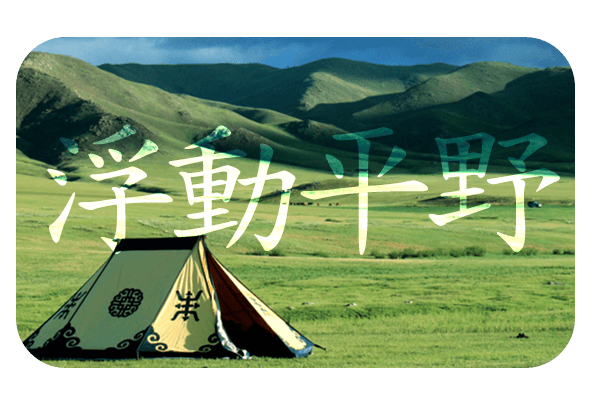
Floating Plains
Loosely echoes Ancient Mongolia in our storytellers' hands.
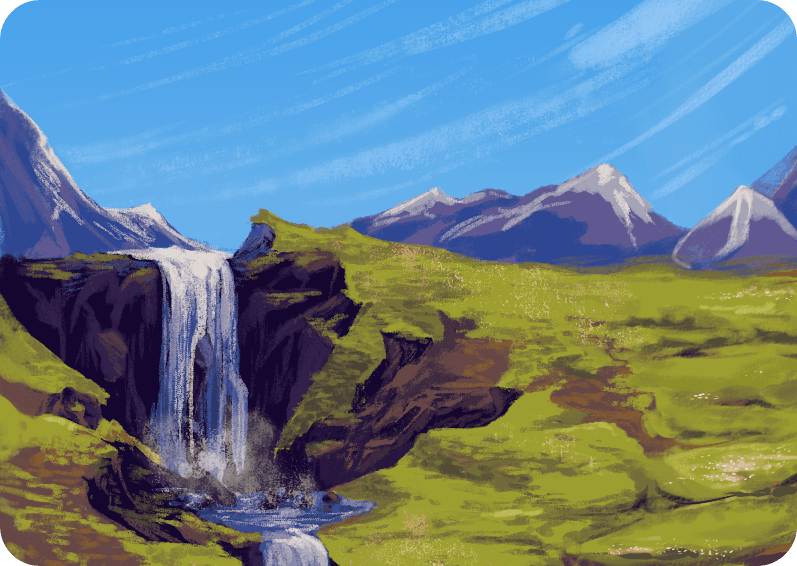
The Floating Plains is one of the largest of the Eastern countries and yet is the most sparsely populated of them all. The people of the Floating Plains live in small familial and tribal nomadic groups, constantly moving with the seasons across their vast homeland. It is said that the sight of their villages getting packed up and moved from one place to another gives the impression of an entire country that can fly across the grasslands at will, giving this country its name.
There is no centralized government to speak of in the country of Floating Plains. Rather than having one ruler, stronger groups will protect and coordinate with smaller groups, and those collectives will usually move around in similar patterns around the country. Women typically move from tribe to tribe for marriage purposes, and apprentice craftsmen will often leave their home tribes to join another tribe to ensure that no one tribe becomes stale or over-populated. Rivalries or feuds will occasionally simmer between two tribes, festering for generations, but very little actual warfare occurs between the individual groups.
The tribes of the Floating Plains are famed for their herds of Ponyta and Rapidash. Bred short and stout, strong enough for long and hard riding, these intelligent Pokémon are essential to countless aspects of the nomadic lifestyle. The men and women of these tribes are exquisite horseriders—a famous saying in the northern Jade Imperium, the Floating Plains's closest neighbor, goes that the people of the Floating Plains are born and die on horseback. Almost as famed as their horses is their unique hunting technique—along with more traditional bows and arrows and snares, Flyers are hunters who train Pidgeots, Talonflames, Staraptors, and other quick, deadly birds to chase and retrieve small prey animals.
Despite being largely divided into many smaller nomadic bands, the people of the Floating Plains are more than capable of banding all together in times of crisis. Many times in the past they have successfully beaten back even the huge might of the Jade Imperium, and tribes that typically guard the borders of the country are constantly protecting their lands.
Most tribes revere a single Legendary as a chosen patron deity. A shaman, almost always an elder woman attended by a younger apprentice, is in charge of the entire band's religious lifestyle. She is often related to the chieftain's family (an elder sister or great aunt) though not always. Most bands will respect the religious choices of their neighboring bands, but some generations-long feuds have begun over disagreements about which Legendary deserves more respect. One can typically tell a lot about the values and strengths of a tribe based on the Legendary they revere.
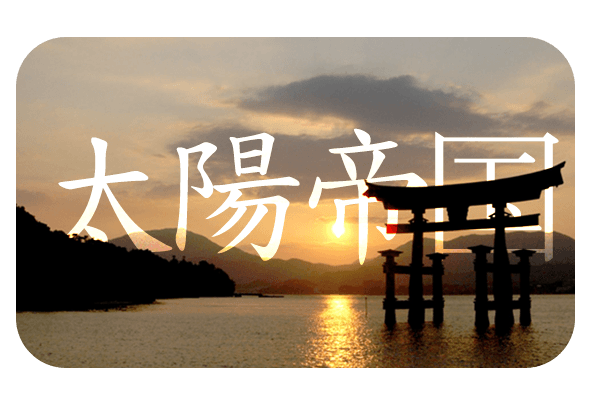
Sun Empire
Loosely echoes Ancient Japan in our storytellers' hands.
The setting you play in day to day — village life, jobs, and tone live on the Villages page.
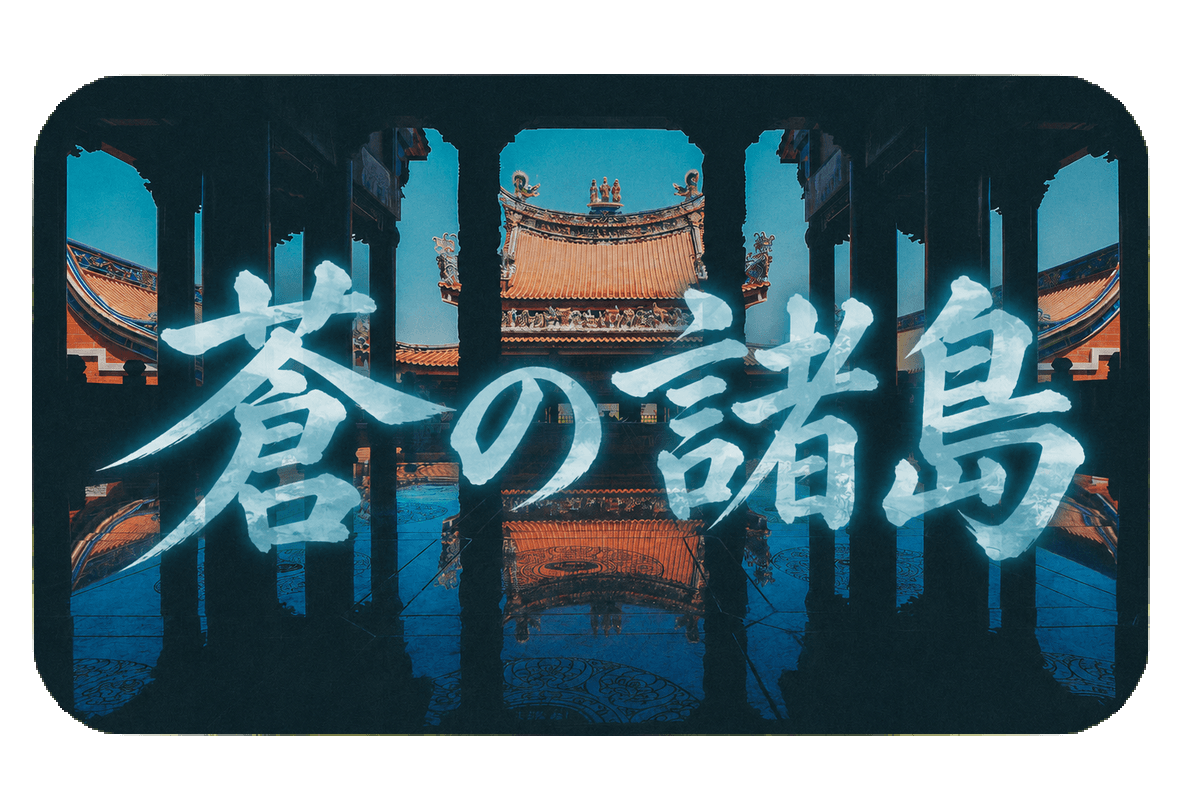
Azure Isles
Loosely echoes Ancient Taiwan in our storytellers' hands.
The Azure Isles are a green archipelago on the sea road between the Jade Imperium and the wider eastern world. Wind, tide, and rice shape daily life: terraced paddies climb the slopes, fishing fleets leave before dawn, and salt and dried catch travel inland in exchange for metalwork, ink, and cloth from the big empires.
Power sits lightly on the map. A northern seat — courts, granaries, and a deep-water harbor — speaks for the isles in treaty halls and sets broad law on trade and tribute. Below that, villages and coastal tribes keep their own calendars, festivals, and elders; messengers ride narrow paths between valleys, and agreements are often sealed with shared meals as much as with seals.
The main port faces the Jade Imperium run. Jade merchants winter there, island pilots guide foreign hulls through shoals, and guild halls argue over tariffs in three dialects at once. What looks like chaos from the harbor wall is, to locals, a rhythm they have kept for generations.
Religion is as layered as the coastline. Shrines to sea and storm stand beside household altars to Arceus; wandering mediums read shells and smoke while temple scribes copy old genealogies. Processions wind through towns after a good catch or a safe typhoon season, bells and drums carrying farther than any proclamation.
Summers bring humid heat and sudden squalls; winter is milder but never dry for long. When the rains pause, mist lifts from the forested ridges and tiled roofs shine like wet lacquer — a brief hush before the next tide turns.
